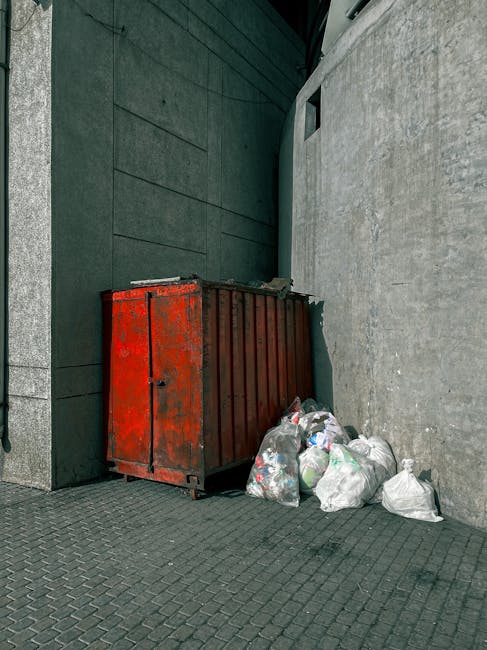
Evelyn Street bulky rubbish removal tips Deptford
If you live or work near Evelyn Street, you will know that bulky rubbish has a habit of turning up at the worst possible moment. A sofa that won't fit through the door. A broken wardrobe leaning in the hallway. A garage full of old bits you meant to sort "next weekend" about six months ago. This guide to Evelyn Street bulky rubbish removal tips Deptford is here to make that job feel a lot less messy, confusing, and frankly annoying.
The aim is simple: help you clear large items safely, avoid common mistakes, and choose the most sensible removal method for your situation. Whether you are dealing with one awkward item or a full property clear-out, the right approach can save time, reduce stress, and keep you on the right side of local best practice. Let's face it, nobody enjoys dragging a mattress down stairs in a hurry.
For a broader look at responsible disposal and household clearances, it can also help to understand related services such as general waste removal, furniture clearance, and recycling and sustainability. Those pages are useful if your bulky rubbish is part of a bigger declutter rather than a single-item pickup.
Contents
- Why Evelyn Street bulky rubbish removal tips Deptford matters
- How Evelyn Street bulky rubbish removal tips Deptford works
- Key benefits and practical advantages
- Who this is for and when it makes sense
- Step-by-step guidance
- Expert tips for better results
- Common mistakes to avoid
- Tools, resources and recommendations
- Law, compliance, standards, or best practice
- Options, methods, or comparison table
- Case study or real-world example
- Practical checklist
- Conclusion
- Frequently asked questions
Why Evelyn Street bulky rubbish removal tips Deptford Matters
Bulky rubbish is not just "more rubbish". It is usually heavier, harder to move, more awkward to store, and more likely to cause damage if you rush it. On streets like Evelyn Street, where access can be tight and parking can be a headache, that matters quite a bit. A quick lift from the wrong angle can scratch walls, crack stair rails, or leave you with a strained back for the rest of the week. Not ideal.
It also matters because bulky items often sit in the grey area between ordinary household waste and specialist disposal. A chair, bed frame, fridge, old exercise bike, dismantled shelving, or office furniture each may need a slightly different handling plan. If you sort that out early, everything becomes easier. If you don't, the pile tends to grow. It always does.
There is another angle too: bulky rubbish can block hallways, create trip hazards, and make a property feel far more chaotic than it really is. If you are preparing for a move, refurbishment, probate clearance, or landlord handover, the difference between a tidy plan and a rushed one can be huge. In our experience, people often underestimate how long it takes to remove large items properly, especially if there are stairs or shared entrances involved.
Expert summary: The best bulky rubbish removal is rarely about brute force. It is about preparation, safe lifting, clear access, and choosing the right disposal route before the item becomes a problem.
How Evelyn Street bulky rubbish removal tips Deptford Works
At a practical level, bulky rubbish removal usually follows the same pattern. First, identify what you need to remove. Then check whether it can be dismantled, reused, recycled, or needs special handling. After that, decide whether you can move it yourself, arrange a local collection, or book a full clearance service.
For a small job, the process might be as straightforward as carrying an item outside, loading it safely, and taking it to the correct disposal point. For a bigger job, especially in flats or terraced homes, the process is more involved. You may need to clear a route, protect floors, lift items in pairs, and plan for access to the street or loading point. Easy enough in theory. A bit more fiddly in reality.
Most people choose one of three routes:
- Self-clearance for lighter, manageable items and when you have a vehicle, time, and help.
- Partial clearance for one-off heavy items such as sofas, wardrobes, mattresses, or white goods.
- Full property clearance when multiple bulky items, mixed waste, or clutter are involved.
If the job includes old furniture, you may want to compare furniture disposal with a wider house clearance. If it is a smaller space, such as a studio or upper-floor flat, flat clearance can be the more efficient route. That is often the difference between a tidy morning and a whole-day headache.
Key Benefits and Practical Advantages
Good bulky rubbish removal is about more than getting rid of things. Done well, it creates breathing room, improves safety, and helps you make decisions faster. There is something oddly calming about seeing a hallway return to normal after a stack of old items has gone. Small victory, but a real one.
- Saves physical effort: Large items can be awkward or dangerous to move alone, especially on stairs or through narrow doorways.
- Reduces clutter quickly: Bulky items take up a surprising amount of space, so one removal can transform a room.
- Supports recycling and reuse: Items that are suitable for recovery can often be separated more easily when sorted early.
- Improves access: Clear routes make it easier for decorators, movers, cleaners, or tenants to get on with their work.
- Helps avoid damage: Planning how an item exits the property lowers the risk of scraped walls and broken fittings.
There is also a mental benefit. People often put off dealing with bulky rubbish because it feels too big to start. But once you break it into steps, the job gets manageable. That matters if you are already juggling work, family, or a move. No one needs another project hanging over them.
Who This Is For and When It Makes Sense
This kind of removal support is useful for a wide range of people. If you are near Evelyn Street and wondering whether your pile of stuff qualifies as "bulky", the answer is probably yes if it is too large to fit in standard bins or too awkward to carry out safely.
It makes sense for:
- homeowners clearing out old furniture or appliances
- tenants preparing for move-out day
- landlords dealing with left-behind items
- flat owners with limited storage and narrow access
- families clearing a loft, garage, or spare room
- small businesses removing office furniture or outdated stock
It also makes sense when you are dealing with items that cannot simply be left out and forgotten. Sofas, wardrobes, filing cabinets, broken desks, and mattresses are all classic examples. If the item is heavy, sharp-edged, bulky, dusty, or just plain inconvenient, plan ahead.
For businesses, a service like office clearance or business waste removal may be more suitable than piecemeal disposal, especially if several items need removing in one visit. That tends to be smoother, and often quicker too.
Step-by-Step Guidance
If you want a calm, organised removal day, use a simple process. Nothing flashy. Just a clear sequence that keeps you from backtracking every five minutes.
- List everything you need removed. Start with the obvious items and then check cupboards, lofts, sheds, and corners. The "oh, that too" moments are always hiding somewhere.
- Group items by type. Furniture, metal, wood, textiles, electricals, and mixed rubbish often need different handling. This is especially helpful if recycling is part of your plan.
- Measure the awkward pieces. A tape measure can save a lot of trouble. Check door widths, stair turns, and lifts before you attempt to move a wardrobe that barely fits on paper.
- Clear the route. Remove smaller obstacles, cables, loose rugs, plant pots, and anything that could trip you up.
- Protect surfaces. Use blankets, cardboard, or covers on flooring and bannisters if you are moving heavy furniture through tight spaces.
- Decide whether to dismantle. A table with removable legs or a bed frame that breaks down into sections is far easier to shift. Take your time with screws and fixings.
- Lift safely or book help. If an item feels too heavy, too awkward, or too brittle, stop. That is usually the sensible decision, even if it feels a bit cautious.
- Check the disposal route. Make sure anything reusable, recyclable, or special-waste-related is separated before collection.
- Confirm access and timing. Think about parking, entry points, and how long the job should realistically take. It rarely helps to rush this bit.
- Do a final sweep. Look for loose screws, broken glass, packaging, or small bits left behind. Those tiny leftovers are easy to miss and annoying later.
If you are dealing with a wider clear-out, pairing bulky item removal with home clearance can reduce the number of separate jobs you need to manage. That is often where the real time saving happens.
Expert Tips for Better Results
Here are the small decisions that make a big difference. They are not glamorous, but they work.
- Start with the easiest items first. A quick win builds momentum. Once one large item is gone, the rest somehow feels less daunting.
- Keep fixings in labelled bags. If you are dismantling furniture, tape the screws and bolts to the item or bag them clearly. Future-you will be grateful.
- Sort as you go. Put recyclable pieces, reusable items, and true waste into separate piles. It is much easier than sorting after the fact.
- Think about dust and dirt. Old wardrobes, loft items, and garage clutter often carry more dust than you expect. A mask and gloves are not overkill.
- Work in daylight where possible. Early afternoon or late morning usually gives you better visibility and safer handling. A dim hallway at 7:30pm is not the best place to wrestle a mattress.
- Use two people for awkward lifts. It sounds obvious, but people forget. One person at each end can prevent a lot of damage and shouting.
A small but useful habit: before you move any bulky item, pause for ten seconds and work out its exit route. Which way is it turning? Where will fingers go? Is the catch on the door likely to snag? That tiny pause often saves a lot of drama.
And if you are dealing with old seating or beds, remember that furniture clearance can be more efficient than trying to piece together multiple trips. Sometimes the simple option is the best one. Fancy plans are overrated when a sofa is blocking the lounge.
Common Mistakes to Avoid
A lot of bulky rubbish problems are created by good intentions and bad timing. That sounds harsh, but it is true. Most mistakes are avoidable once you know what to look for.
- Underestimating the weight: An item that looks manageable can become awkward once you tilt it, lift it, or meet a stair landing.
- Forgetting access constraints: Narrow hallways, shared entrances, and parking restrictions can turn a simple job into a slow one.
- Not separating waste types: Mixed waste is harder to handle and can complicate recycling or disposal.
- Leaving sharp parts exposed: Broken frames, splintered wood, and bent metal edges can cause avoidable injuries.
- Skipping floor protection: A dragged wardrobe can leave deep marks on wood or laminate. You only need to do that once to learn the lesson.
- Trying to move everything in one go: That is usually where people twist a back or chip a wall corner.
One of the more common mistakes is booking or planning too late. Bulky rubbish tends to pile up quietly, and then suddenly it is urgent. If you have a deadline, such as moving day or a tenancy check-out, work backwards and allow extra time. Things always take longer than they look.
Tools, Resources and Recommendations
You do not need a garage full of specialist equipment, but a few simple tools make bulky rubbish removal much smoother. Think of them as cheap insurance against hassle.
- Work gloves: Useful for grip and for avoiding splinters, grime, and sharp edges.
- Strong bin bags or rubble sacks: Good for smaller broken pieces or mixed loose material.
- Blankets or furniture covers: These help protect doorways, corners, and the items themselves if reuse is planned.
- Tape and marker pens: Handy for labelling dismantled parts, screws, or grouped items.
- Basic hand tools: Screwdrivers, Allen keys, and a spanner often get the job done for furniture breakdown.
- Measuring tape: Essential for checking whether large items will actually fit through the exit route.
- Cleaning cloths and a dustpan: Small, but worth having nearby for the final tidy-up.
If your project involves a garage, loft, or other mixed storage area, services like garage clearance and loft clearance can be particularly useful. These spaces often contain a weird blend of furniture, boxes, old tools, and "I might need that later" items. Which, fair enough, is how garages become time capsules.
For more information about how a service provider handles service quality and customer care, you may also want to look at about us and insurance and safety. Those pages help set expectations around how a professional team works and what safety-minded service should look like.
Law, Compliance, Standards, or Best Practice
Bulky rubbish removal is one of those jobs where good practice matters as much as speed. In the UK, people have a responsibility to make sure their waste is handled properly. That does not mean you need to memorise legislation, but it does mean you should be careful about who takes your rubbish and where it ends up.
As a general rule, use a provider or method that can explain what happens to the waste, especially if items may be recycled, reused, or require special handling. If the removal involves business waste, the expectations are usually stricter, so keeping records and using a proper service is the safest approach. For many households, the key thing is simply to avoid fly-tipping, illegal dumping, or handing items to someone who cannot demonstrate proper disposal.
Best practice also includes the following:
- check whether electrical items need separate handling
- do not leave hazards in communal areas
- keep entrances clear for neighbours and visitors
- use safe lifting methods and appropriate help
- separate reusable items where possible
If you are unsure about the right route, it is better to ask than guess. That is especially true for mixed loads containing furniture, broken appliances, or renovation debris. For construction-related waste, builders waste clearance is more appropriate than general household disposal. Different waste, different expectations. Simple as that.
Options, Methods, or Comparison Table
Choosing the right method depends on how much you need removed, how heavy the items are, and how much access you have. This quick comparison can help you decide without overthinking it.
| Method | Best for | Pros | Watch out for |
|---|---|---|---|
| Self-clearance | One or two manageable items | Can be cheap and flexible | Requires time, transport, and safe lifting |
| Single-item collection | Sofas, mattresses, white goods | Good for quick removal of one bulky item | May not suit mixed loads |
| Partial clearance | Several large household items | Efficient for grouped furniture or room-by-room sorting | Needs clear access and pre-sorting |
| Full clearance | Homes, flats, garages, lofts, offices | Best for larger jobs and time savings | Requires planning and a fuller inventory |
For many people, the key choice is not "cheap or expensive". It is "which option reduces stress the most?". A slightly more efficient service can be worth it if it saves you multiple trips, awkward lifting, and a few sore shoulders the next day.
Case Study or Real-World Example
Picture a typical Evelyn Street job: a resident in a first-floor flat has an old sofa, a broken coffee table, and a couple of wardrobes waiting in pieces after a failed DIY attempt. The hallway is narrow, there is limited parking outside, and the lift is not an option. Nothing dramatic, just a fairly common city job.
The sensible approach is to start by measuring the larger pieces and checking whether anything can be dismantled further. The wardrobes are split into panels, screws are bagged, and the sofa is moved in sections. Floor corners are protected, the route is cleared, and the heaviest pieces are lifted with two people. The result? Less damage risk, less shouting, and a much quicker exit. Truth be told, the job feels almost boring once the planning is done. That is a good sign.
In a slightly bigger example, a small office move may involve desks, office chairs, filing units, and old storage cabinets. In that case, office clearance can make far more sense than ad hoc removal. When several bulky items are linked to one project, doing them together is usually cleaner and more cost-effective in practice.
Practical Checklist
Use this checklist before you start. It is simple, but it covers the bits that most people forget when they are in a hurry.
- Have I listed every bulky item, including storage spaces and overlooked corners?
- Can any item be dismantled safely before moving?
- Have I measured the item and the exit route?
- Is the walkway clear of trip hazards?
- Do I have gloves, tape, sacks, and basic tools ready?
- Do I know which items are reusable, recyclable, or need special attention?
- Have I arranged enough help for heavier items?
- Is parking or access likely to be an issue?
- Have I protected floors, walls, and door frames?
- Have I planned the final tidy-up after removal?
A small reality check helps here: if you read the checklist and immediately think, "this is turning into a lot", that is probably the moment to get outside help. No shame in that. Sometimes the smart decision is the boring one.
Conclusion
Evelyn Street bulky rubbish removal tips Deptford are really about making a difficult task more predictable. If you plan the route, sort items properly, and choose the right removal method, the whole job becomes calmer and far safer. That is true whether you are clearing a single sofa, emptying a garage, or helping a tenant move out on a deadline.
The biggest wins usually come from the small things: measuring before lifting, separating items before collection, and refusing to rush the awkward bits. That's the part people often skip. Then they end up with scratched walls, sore backs, and a half-finished hallway at 8pm. Not fun.
If you want a smoother route from clutter to clear space, take the time to compare your options and choose the right clearance approach for the job. A little planning now can save a lot of trouble later, and the difference is often obvious the moment the last bulky item goes out the door.
Get a free quote today and see how much you can save.
And if you are in the middle of it right now, take a breath. One item at a time. That is usually enough.
Frequently Asked Questions
What counts as bulky rubbish in Deptford?
Bulky rubbish is usually anything too large, heavy, or awkward for normal bin collection. That often includes sofas, mattresses, wardrobes, tables, white goods, shelving, and broken household furniture.
Can I remove bulky items myself from Evelyn Street?
Yes, if the items are manageable, access is straightforward, and you have the right vehicle and help. For heavy or awkward pieces, it is usually safer to book assistance rather than risk injury or damage.
What is the safest way to move a heavy sofa downstairs?
Clear the route first, protect walls and floors, and use two people if possible. If the sofa is too awkward to turn safely, dismantling it may be the better option.
Do I need to dismantle furniture before removal?
Not always, but dismantling often makes the job easier and safer. Beds, wardrobes, and tables are much simpler to move in smaller sections, especially in flats or narrow stairwells.
What should I do with old furniture that is still usable?
If it is in decent condition, it is worth separating it from true waste so it can be reused or handled more appropriately. That can reduce waste and make the removal process cleaner.
How do I prepare for bulky rubbish removal in a flat?
Measure doorways, clear hallways, protect shared areas, and plan the lift or stairs route. In flats, access planning matters more than people expect, and it can save a lot of hassle.
Is bulky rubbish removal suitable for office clear-outs too?
Yes. Office furniture, filing cabinets, desks, and chairs often need a more organised clearance plan. In that case, business waste removal or office clearance may be the better fit.
What if my bulky rubbish includes broken appliances?
Appliances can need different handling from ordinary furniture, especially if they are electrical or have hazardous parts. Keep them separate and make sure they are handled through the correct disposal route.
How can I avoid damaging my walls and floors?
Use blankets, cardboard, or covers on tight corners and floor surfaces. Move slowly, lift rather than drag when possible, and do not force items through spaces they clearly do not fit.
What is the best option if I have several large items at once?
If you have multiple bulky items, a grouped clearance is usually more efficient than doing them one by one. It can save time, reduce disruption, and make sorting easier.
Where can I find more information about responsible disposal and pricing?
Useful starting points include pricing and quotes and recycling and sustainability. They help you understand what to expect and how the service approach aligns with good practice.
When should I book help instead of doing it myself?
If the item is too heavy, access is awkward, or the job involves several pieces, booking help is usually the wiser move. It is a lot better than guessing and then regretting it halfway down the stairs.
Can bulky rubbish removal be done quickly?
Yes, especially if the items are already sorted and access is clear. The faster jobs are usually the ones where the preparation was done properly beforehand.