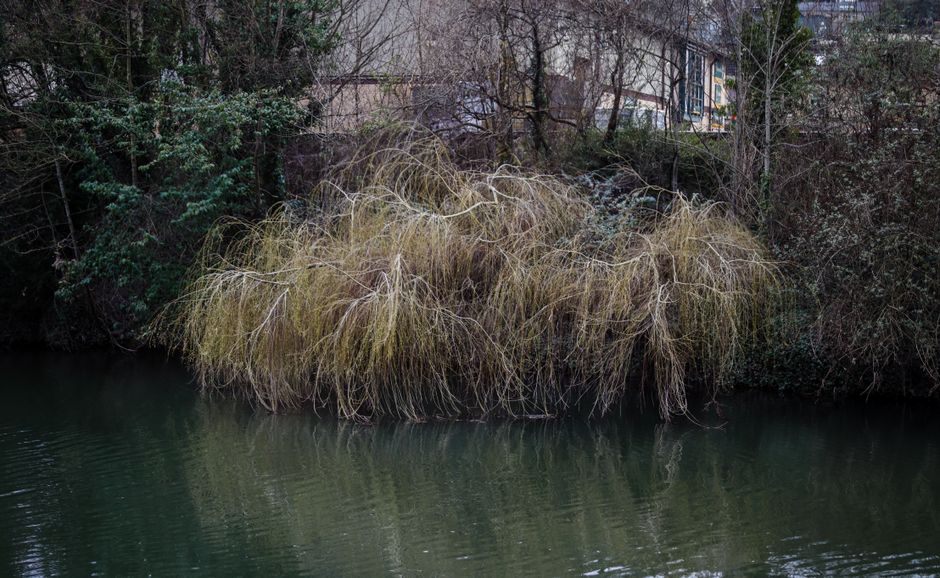
Deptford Creek garden rubbish clearance near the river: a practical local guide
If you're dealing with a messy garden near Deptford Creek, you already know it's not quite the same as clearing a suburban back plot. Wind can move loose debris fast, damp ground can make access awkward, and anything left sitting too long near the river edge starts to look worse, smell worse, and become a nuisance faster than you'd expect. That's why Deptford Creek garden rubbish clearance near the river needs a slightly more careful approach than a standard garden tidy-up.
This guide walks through what the service involves, why riverside locations need extra care, how the process usually works, and what to check before booking. You'll also find a practical checklist, a comparison table, and a realistic example of how a clearance job might play out in a real Deptford setting. No fluff. Just the stuff that helps you make a sensible decision.
Table of Contents
- Why Deptford Creek garden rubbish clearance near the river matters
- How Deptford Creek garden rubbish clearance near the river works
- Key benefits and practical advantages
- Who this is for and when it makes sense
- Step-by-step guidance
- Expert tips for better results
- Common mistakes to avoid
- Tools, resources and recommendations
- Law, compliance, standards, or best practice
- Options, methods, or comparison table
- Case study or real-world example
- Practical checklist
- Conclusion
- Frequently asked questions
Why Deptford Creek garden rubbish clearance near the river matters
Garden waste near a creek is more than an eyesore. In a place like Deptford Creek, rubbish can be shifted by wind, washed by rain, or dragged into tight spaces where it becomes difficult to recover. That includes branches, broken planters, old compost sacks, fence panels, soil bags, weeds, and general green waste that has been left a bit too long. Let's face it, one windy afternoon can undo a tidy garden very quickly.
Riverside and near-riverside locations also bring practical issues that many people only notice once they start clearing. Surfaces can be slippery. Access may be narrow. Parking can be awkward. And if the waste includes anything mixed with soil or damp plant material, it can become surprisingly heavy. A small pile suddenly feels like a full workout. No joke.
There's also the question of presentation. If you are maintaining a garden for a home, rental property, communal space, or business frontage close to the creek, the standard is usually higher because the surroundings are visible and shared. A clean garden feels calmer, safer, and more cared for. That matters whether you're preparing to sell, welcoming tenants, or simply trying to enjoy the space again.
Practical summary: near the river, good garden rubbish clearance is about more than removal. It's about access, safety, containment, and making sure waste is handled cleanly enough that it does not create new problems downstream or next door.
How Deptford Creek garden rubbish clearance near the river works
In most cases, the process starts with a quick assessment of what needs removing and how accessible the garden is. That sounds obvious, but in practice it saves time and stress. A tidy front path and a clear side passage can make a job straightforward; a damp rear garden with a narrow exit and a few awkward corners can be a very different story.
A proper clearance normally includes some combination of loading, bagging, lifting, sweeping, and transporting the waste away for disposal or recycling. If the garden contains mixed materials, such as old pots, timber, soil, cuttings, and the odd bit of broken furniture, the team usually separates items where possible. That helps with reuse and recycling, and it keeps the job from turning into a muddy all-in-one heap. Which, honestly, nobody wants.
For riverside properties near Deptford Creek, the working method should also account for the local environment. Wet leaves, algae on paving, overgrown edges, and exposed soil can all affect footing. Good operators work in a way that protects the property while keeping walkways as clear as possible during the job. It's the small things that matter: putting waste in the right place first, using the right bags or containers, and not dragging sharp or heavy debris across paths.
If the waste stream is mostly garden material, the work may be grouped under garden clearance or broader green waste removal. If it includes bulky household items, builders' debris, or furniture left outside after a project, a mixed clearance may be more suitable. When choosing a service, it helps to match the job to the waste type instead of assuming every clearance is the same. It rarely is.
Key benefits and practical advantages
The most obvious benefit is simply getting your outdoor space back. But there's more to it than that. A clean garden near the creek tends to feel brighter, easier to use, and less stressful to maintain. Once the rubbish is gone, you can actually see what needs attention next, whether that's pruning, planting, resurfacing, or just sweeping properly for the first time in ages.
Another benefit is risk reduction. Loose rubbish can create trip hazards, hide damp patches, and attract pests. In a riverside setting, unmanaged waste can also be blown or washed into nearby shared areas. That's not ideal for neighbours, tenants, or anyone else using the same stretch of space. A quick clearance often prevents a much bigger tidy-up later.
There's a financial angle too. If you are preparing a property for rental, sale, or renovation, a well-cleared garden improves first impressions immediately. It can make a modest outdoor space look cared for rather than neglected. That does matter. Buyers and tenants notice the outside before they ever step through the door.
Other practical advantages include:
- less time spent hauling waste in small loads
- better separation of recyclable material
- fewer issues with wet, rotting, or decomposing garden waste
- easier access for future landscaping or maintenance
- a cleaner boundary between the garden and the river-facing environment
And perhaps the least glamorous benefit of all: you stop stepping over the same pile every time you go outside. There's a quiet relief in that.
Who this is for and when it makes sense
This kind of service is useful for a wide range of people. Homeowners often need it after a big prune, a storm, or a long stretch where the garden has simply got away from them. Landlords and letting agents may need a clearance between tenancies, especially if outdoor waste has been left behind. Small businesses with yards or planted frontage near Deptford Creek may also need periodic rubbish removal to keep things presentable.
It also makes sense if you're dealing with:
- overgrown borders and tangled cuttings
- old compost bags, broken pots, or cracked planters
- dead branches and storm-fallen debris
- mixed garden waste with a bit of household clutter mixed in
- a pile that has been sitting there through a wet season and gone a bit soggy
Sometimes the trigger is not a major project at all. It might just be that the garden has become hard to use. You can't sit out there, you can't mow properly, and the back gate is becoming awkward. That's often when people realise they need help, not later.
If your space is close to the waterline or shared access routes, it's even more sensible to clear sooner rather than later. Near the river, "I'll deal with it next weekend" can turn into "why is this suddenly everywhere?" rather quickly.
Step-by-step guidance
If you want the job to go smoothly, it helps to treat the clearance as a short project rather than just a pile of rubbish to shift. A little planning makes a big difference.
1. Walk the garden first
Start by checking what's there. Separate green waste, bulky items, broken materials, and anything that may need special handling. Look at access points too. Can a person carry bags straight out, or will they need to move through a narrow side return? Are there slippery patches? Is the ground soft after rain? This first look tells you far more than you think.
2. Put aside anything you want to keep
It sounds obvious, but it's easy to accidentally bundle up a garden tool, a reusable planter, or a stack of border stones if everything is in one messy area. Make a keep pile before anything is loaded. Saves faff later.
3. Separate waste by type where you can
Green waste, wood, metal, soil, plastics, and general rubbish are not always handled the same way. Sorting them makes disposal cleaner and often more efficient. Even a rough separation helps. It doesn't need to be museum-level organisation.
4. Decide what needs a hand-up
Some jobs are fine with bags and a few trips. Others need heavier lifting, a larger load capacity, or a team that can remove bulky items without damaging fences, steps, or paving. If there are wet branches, compacted soil, or heavy debris, don't underestimate the weight. Wet compost bags can be sneaky like that.
5. Make sure disposal is planned
Once waste leaves the garden, it should go somewhere legitimate and appropriate. That means disposal or recycling routes suited to the material. Good practice is not just about "getting rid" of waste; it's about handling it responsibly from start to finish.
6. Finish with a clean-down
A final sweep, leaf blow, or rake-through helps the space feel genuinely complete. This is the point where the garden starts to look usable again, not just emptied out. If you've ever stepped into a cleared garden after rain and smelled the soil and fresh air at once, you'll know the difference.
Expert tips for better results
One of the simplest ways to improve a clearance job is to work with the weather, not against it. Dry-ish conditions are usually better for handling green waste and keeping paths less slippery. After heavy rain, soil becomes heavier and more awkward, and wet leaves get slippery underfoot. Near Deptford Creek, that matters more than you might think.
Another useful tip: clear from the outside in. Start with access routes, then the largest obvious items, then smaller waste, then the final sweep. That keeps the area safer and stops you from trapping yourself in a corner with nowhere to put the next bag. Basic, yes. But it works.
It also helps to be realistic about what is garden waste and what is not. A lot of "garden rubbish" jobs include a bit of everything: old plant pots, bits of broken fence, packaging, rusted wire, maybe a chair that lived outside one winter too many. If you're upfront about that mix, the clearance is usually more efficient. If you are not, delays can creep in. Nobody enjoys surprises in a muddy back garden.
A few more practical pointers:
- keep a clear path from the garden to the vehicle or loading point
- use strong sacks for wet or thorny material
- watch for hidden nails, glass, or sharp edges in old timber
- avoid overfilling bags, because they split at the worst moment
- if soil is heavily compacted, treat it separately from light green waste
Small expert note: the best clearances tend to be the ones where the client has already decided what "done" looks like. A little clarity at the start saves a lot of back-and-forth later.
Common mistakes to avoid
The first mistake is assuming all garden waste is lightweight. It isn't. Even a modest pile can become very heavy if it has soaked up rain or mixed with soil. If you try to shift everything in one go, you may end up with torn bags, back strain, or both. Not worth it.
The second mistake is leaving waste too long near drains, walls, or the river-facing edge. Damp rubbish attracts more damp, if that makes sense. It settles, rots, compacts, and becomes harder to clear later. In riverside locations, delay often makes the job messier than the original problem.
A third common issue is poor sorting. If you mix branches, soil, plastic, household clutter, and broken furniture into one heap, the clearance becomes slower and disposal is less efficient. Some people do this because they want to "just get it gone." Fair enough. But separating waste even a little usually pays off.
Other mistakes include:
- blocking access before the removal team arrives
- forgetting to check for items you want to keep
- underestimating the amount of waste after a pruning session
- ignoring slippery paving or uneven ground
- choosing a service without checking how mixed waste is handled
Truth be told, most problems are preventable. The good news is you do not need a perfect plan. You just need a sensible one.
Tools, resources and recommendations
For smaller clearances, the basics go a long way. Strong garden sacks, gloves with a decent grip, a rake, secateurs, a wheelbarrow, and a brush are often enough to get things moving. If you're dealing with thorny cuttings or broken timber, thicker gloves and closed shoes become more important than people expect.
For larger or wetter jobs, the right containers matter. Heavy-duty bags are useful for cuttings and lighter green waste, while bins or load containers may suit bulkier material. A tarpaulin can help keep waste together and prevent bits of branch or leaf from being blown about before collection. Near the creek, that wind can be cheeky.
If you are trying to decide how much help you need, think in terms of access and weight, not just volume. A small heap of wet soil can be harder than a bigger heap of dry clippings. That catches people out all the time. The eye says one thing; the back says another.
For properties with ongoing outdoor maintenance, it can also help to schedule periodic clearance rather than waiting for the garden to become unmanageable. Regular tidy-ups are usually easier to handle and less disruptive. That's especially true for shared homes, rental properties, or businesses where appearance matters week to week.
If you want a broader service overview, our garden clearance page explains how different clearance jobs are typically handled. For wider property projects, you may also find waste removal useful when garden waste is mixed with other materials.
Law, compliance, standards, or best practice
When garden rubbish is removed, it should be handled in line with sensible UK waste practice. In plain English, that means waste should be collected, transported, and disposed of responsibly by someone who understands the material and does not simply dump it wherever is easiest. That part really matters. Fly-tipping harms local areas, creates costs for councils and residents, and can become a serious issue near waterways.
If waste includes more than simple green cuttings, extra care is needed. Mixed materials may need separate handling, and certain items should not be treated like ordinary garden waste. Soil, treated timber, metal, sharp debris, and contaminated material can all require different approaches. If you're not sure what is what, it is better to ask before loading than to assume after the fact.
Best practice also includes basic site safety. That means keeping access routes clear, avoiding unnecessary manual strain, and protecting surfaces where possible. Near Deptford Creek, where paths may be damp and access can be tight, a careful approach is not overcautious; it's just common sense.
For customers who want to understand how a company approaches responsible handling, our pages on recycling and sustainability and health and safety policy outline the standards expected behind the scenes. If you also want reassurance around who is entering your property and how jobs are managed, insurance and safety is worth a look too.
Options, methods, or comparison table
Different garden rubbish jobs need different approaches. A quick comparison can help you decide what fits your situation best.
| Method | Best for | Pros | Limitations |
|---|---|---|---|
| DIY bagging and tip run | Small, light piles of green waste | Low cost, simple for minor tidy-ups | Time-consuming, hard work, awkward near tight river access |
| Scheduled garden clearance | Moderate to large clearances | Faster, cleaner, better for mixed waste | Usually more expensive than doing it yourself |
| Mixed waste removal | Garden rubbish plus bulky clutter | Convenient when items are not just cuttings | Needs clear description of what is included |
| Repeat maintenance clearance | Shared gardens, rentals, ongoing upkeep | Keeps the space under control all year | Requires planning and periodic scheduling |
For many people near Deptford Creek, the best option is not the cheapest one on paper. It is the one that gets the space cleared safely, with less hassle, and without turning a wet Sunday into a sorting nightmare. A sensible compromise often wins.
Case study or real-world example
Imagine a rear garden close to the creek after a windy spell. There's a pile of cut branches from a hedge trim, three broken plant pots, a few damp sacks of old compost, and a rusty metal frame that used to support climbers. The path to the back gate is narrow, the paving is slick from drizzle, and the bins are already full.
The job starts with a quick check of the access route. Anything reusable is set aside first. The branches are gathered and tied, the pots are separated from the green waste, and the heavy compost is handled in smaller loads so the bags do not burst. The metal frame is removed carefully so it doesn't scrape the wall or catch on the gate latch. Simple enough, but only if someone thinks through the order of work.
What changes the outcome here is not brute force. It is sequence. The area is cleared from the access point outward, the remaining leaves are swept up, and the ground is checked for nails or fragments before the last load goes. By the end, the garden is usable again, not just less messy. That difference matters more than people realise.
And yes, the job often looks smaller in the photos before you start than it does when you're standing next to it. Funny how that happens.
Practical checklist
Use this checklist before arranging or starting a garden rubbish clearance near Deptford Creek:
- Identify the main waste types: green waste, soil, timber, plastics, mixed rubbish
- Check access routes, gates, steps, and any slippery surfaces
- Remove items you want to keep before clearing begins
- Separate bulky items from bagged waste where possible
- Note anything sharp, heavy, or awkward to carry
- Confirm whether the job is garden-only or mixed waste
- Make sure the path to loading is clear
- Plan for damp conditions if the area has recently had rain
- Ask how waste will be handled and where appropriate recycling is possible
- Leave a final sweep or rake-through for the end
If you're weighing up pricing or want a clearer idea of what affects the cost, our pricing and quotes page can help you understand the usual factors. For broader property clearances, home clearance may also be relevant if the garden rubbish is only part of a larger project.
Get a free quote today and see how much you can save.
Conclusion
Deptford Creek garden rubbish clearance near the river is one of those jobs that looks straightforward until you stand in the garden and realise how much water, access, weight, and weather can change the picture. Once you account for those details, the job becomes much easier to plan and much safer to carry out.
The best approach is usually simple: assess the waste properly, separate what can be sorted, keep access clear, and choose a method that fits the space rather than forcing the space to fit the method. That's how you get a cleaner result with fewer headaches.
If your garden is getting harder to enjoy, don't wait for the mess to grow roots. A careful clearance can give the space back to you, and that feels good. Sometimes that's all a garden needs.
Frequently Asked Questions
What counts as garden rubbish clearance near Deptford Creek?
It usually includes green waste like branches, hedge cuttings, leaves, weeds, old compost, broken pots, small timber offcuts, and mixed outdoor rubbish left in the garden. If it is sitting outside and needs removing, it probably falls into the same general job.
Is river-side garden waste harder to clear?
Often, yes. Near the river, damp ground, narrow access, slippery paving, and wind-blown debris can make the work slower and a bit more awkward. It is manageable, but it needs more care than a dry, open garden.
Can wet garden waste be removed?
Yes, but wet waste is heavier and messier. Bags can split more easily, and muddy soil or sodden leaves may need to be handled in smaller loads. That is why a site check before removal is so useful.
Do I need to sort the rubbish before collection?
You do not need to make it perfect, but some sorting helps a lot. Keeping green waste separate from bulky rubbish, metal, and household clutter usually makes the clearance quicker and more efficient.
What happens to the waste after it is collected?
That depends on the type of material, but responsible handling means it should be taken to appropriate disposal or recycling routes rather than simply dumped elsewhere. Good practice is to process different materials properly, not all as one pile.
How long does a garden rubbish clearance usually take?
It depends on the size of the garden, how much waste there is, and how easy the access is. A small tidy-up can be fairly quick, while a more mixed or awkward clearance may take longer. Access near the creek can be the deciding factor.
Is this service suitable for landlords and letting agents?
Yes. In fact, it is often a sensible choice between tenancies or after a tenant has left garden waste behind. A cleared outdoor space helps the property look cared for and ready for the next stage.
Can a clearance include old furniture or broken garden items?
It can, provided those items are identified in advance. Garden clearances often include planters, chairs, tables, sheds bits, fencing, or other bulky outdoor clutter. If the mix is broad, it helps to say so early.
What should I do before the team arrives?
Move any items you want to keep, clear a path to the garden, and point out anything heavy, sharp, or awkward. If you have pets, it is also sensible to keep them safely out of the way during the work.
How do I know if I need garden clearance or general waste removal?
If the waste is mainly plants, soil, and garden debris, garden clearance is usually the better fit. If the area also contains household clutter, broken furniture, or mixed rubbish, broader waste removal may be more suitable. If in doubt, describe the whole pile rather than just part of it.
Is it worth booking a clearance for a small pile of rubbish?
Sometimes yes, especially if the pile is awkward, damp, or in a tight space near the river. A small-looking heap can be surprisingly difficult to move once it has soaked up rain or mixed with soil. Small does not always mean simple.
Where can I read more about related clearance services?
You can browse the website's other helpful pages, including garage clearance, loft clearance, and house clearance if your project has more than one area to sort out. For general company information, see about us or contact us if you are ready to ask a question.