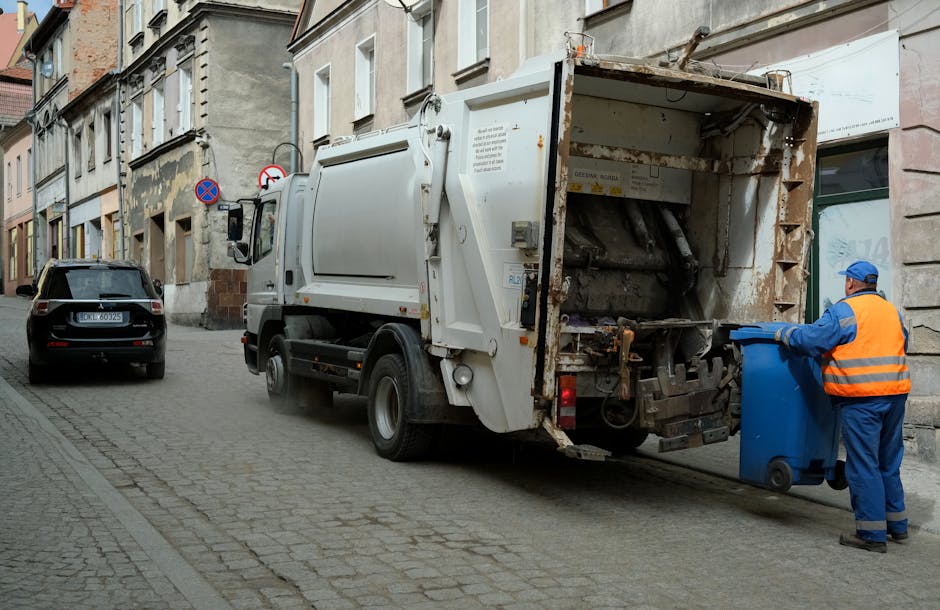
Avoid hidden charges in Deptford rubbish removal jobs
Anyone who has booked rubbish removal in Deptford knows the feeling: you want the clutter gone, you want it gone today, and you definitely do not want a surprise on the invoice later. That is exactly why learning how to avoid hidden charges in Deptford rubbish removal jobs matters so much. A quote can look fair at first glance, then suddenly the price climbs because of access issues, heavy lifting, extra labour, or a vague "administration fee" that was never mentioned properly. Bit annoying, to be fair.
This guide breaks the whole thing down in plain English. You will learn how rubbish removal pricing usually works, where hidden extras sneak in, what to ask before you book, and how to compare providers without getting lost in sales talk. If you are clearing a flat, a loft, an office, or just a stubborn pile of old furniture, the same basic rules apply: clear scope, clear pricing, clear expectations.
For readers who want to compare service details or understand broader waste handling options, it can also help to look at the site's pricing and quotes information, the main waste removal service, and the company's payment and security guidance. Those pages sit well alongside the practical advice below.
Table of Contents
- Why avoiding hidden charges matters
- How rubbish removal pricing usually works
- Key benefits of clear pricing
- Who this is for
- Step-by-step guidance
- Expert tips for better results
- Common mistakes to avoid
- Tools, resources and recommendations
- Law, compliance and best practice
- Options and comparison table
- Real-world example
- Practical checklist
- Conclusion
- Frequently asked questions
Why Avoid hidden charges in Deptford rubbish removal jobs Matters
Hidden charges are not just an irritation. They can turn a tidy, useful service into a poor-value one very quickly. In Deptford, where homes, flats, commercial spaces, and renovation projects can all come with awkward access or mixed waste types, the risk of pricing misunderstandings is real. A job that looked simple from the outside may need more labour, longer loading time, or different disposal handling than first expected.
What makes this topic important is not just money. It is trust. If a company is clear from the beginning, you can make a proper decision. If it is vague, you spend half the job worrying about what the final figure will be. That is no way to start a clearance. And let's face it, nobody wants a bin bag-sized headache after the van has already pulled away.
Transparent pricing also helps you plan better. If you are budgeting for a move, a home clearance, or builders waste after a refurb, you need a number you can rely on. Not a number with hidden little traps tucked underneath. This is where asking the right questions before booking can save a surprising amount of hassle.
Expert summary: The cheapest rubbish removal quote is not always the best value. The best value is the one that explains what is included, what could change the price, and what will not be added later without your agreement.
How Avoid hidden charges in Deptford rubbish removal jobs Works
Most rubbish removal pricing is built from a few core ingredients: volume, weight, labour, access, waste type, and disposal method. When these are understood properly, the final figure is usually much easier to predict. Problems start when one or more of those ingredients are left vague.
For example, a small load of household junk in an easy-to-reach ground-floor space is very different from clearing a top-floor flat with no lift, awkward stairs, and a lot of heavy furniture. The service may still be worth it, but the price should reflect the real job. That is fair enough. What is not fair is advertising a low base price and then piling on extra costs after the work begins.
Some common charge points include:
- extra labour for heavy lifting or dismantling
- access difficulties such as narrow staircases or long carrying distances
- restricted parking or waiting time
- mixed waste needing separate handling
- bulky items like wardrobes, sofas, or white goods
- special disposal requirements for certain materials
- same-day or out-of-hours bookings
In practice, a reliable provider should ask enough questions before quoting to understand the job properly. If they do not ask anything beyond "roughly how much rubbish is there?", that is a clue. Not always a bad sign, but certainly a reason to pause.
If the waste is mainly household items, a home or house clearance style service may be more relevant. For larger domestic clearances, the site's home clearance and house clearance pages can help show how different types of jobs are handled. If you are dealing with awkward storage spaces, the loft clearance and garage clearance services are also relevant because access and load size can change pricing expectations.
Key Benefits and Practical Advantages
Clear pricing does more than protect your wallet. It makes the whole job smoother from the first call to the final sweep-up. Here are the main advantages people notice when they choose a transparent provider.
- Better budgeting: you can set aside the right amount without guessing.
- Less stress: you know what is included and what might cost extra.
- Faster decisions: quotes are easier to compare when they are written clearly.
- Fewer disputes: misunderstandings are less likely when terms are stated upfront.
- Improved service quality: companies that explain pricing well often communicate well generally.
There is also a practical side people sometimes miss. Transparent pricing encourages the removers to prepare properly. If they know the load size, access conditions, and item type before arriving, they can bring the right van, the right number of staff, and the right equipment. That usually means fewer delays and less back-and-forth on the day.
For mixed domestic and furniture-related jobs, a quick look at furniture clearance and furniture disposal can also help you understand how bulky items may be assessed. Sofas, beds, and wardrobes are the usual suspects for price confusion. They look harmless until you try to move them down a narrow hallway. Oof.
Who This Is For and When It Makes Sense
This advice is useful for almost anyone booking waste collection in Deptford, but it is especially important if your job has more than one moving part. If your clearance involves stairs, parking problems, a lot of bulk, or different waste streams, the chance of hidden extras goes up.
You will benefit most if you are:
- clearing out a flat, maisonette, or shared building
- disposing of old furniture or appliances
- getting rid of renovation debris or builders waste
- emptying a garage, loft, or storage area
- running a shop, office, or small business that needs reliable waste handling
- booking on a tight schedule and cannot afford delays
It also makes sense if you have had a bad experience before. Many people only learn these lessons after a messy first booking. One customer may be told "no problem" on the phone, then later discover the price jumped because the crew had to carry everything down three flights of stairs. That sort of thing sticks with you.
For commercial readers, the site's business waste removal and office clearance pages are useful if you need a service that can cope with regular collections or worksite rules. If your job involves renovation leftovers, the builders waste clearance page is worth checking too, because construction-type loads often trigger different handling expectations.
Step-by-Step Guidance
If you want to avoid surprise fees, the safest approach is to treat the booking like a mini audit. Nothing dramatic. Just a few sensible checks before anyone arrives with a van.
- List exactly what needs removing. Include bulky items, bagged waste, broken furniture, and anything unusual.
- Note access conditions. Think stairs, lifts, parking distance, tight corridors, or timed building entry.
- Ask what the quote includes. Check labour, loading, disposal, and any minimum charges.
- Ask what could change the price. A good provider should explain the triggers before work starts.
- Request a written quote or clear confirmation. Even a simple written message helps prevent confusion.
- Clarify waste type. Builders waste, mixed junk, furniture, and garden waste may be handled differently.
- Confirm how the final price is calculated. Is it volume-based, time-based, item-based, or a mixture?
- Check payment terms. Make sure you understand when payment is due and what methods are accepted.
One very practical tip: take a few photos before you book. Not glamorous, sure, but incredibly useful. Photos make it easier for a provider to judge the job accurately and can reduce the chances of a "that's more than we thought" conversation later. A wide shot, a couple of close-ups, and one image showing access can do a lot of heavy lifting.
If you want to understand how the company frames pricing and what kind of payment process is used, look at the payment and security page alongside the pricing and quotes page. That pairing gives you a better sense of the process before you commit.
Expert Tips for Better Results
After enough clearance jobs, a few patterns become obvious. The people who avoid hidden charges are not lucky. They are just a bit more precise.
Be specific about access
"Easy access" means different things to different people. If the van cannot park outside, say so. If the lift is tiny, mention it. If there is a long walk from the property to the loading point, mention that too. These details sound small, but they can affect labour time and the final quote.
Separate ordinary waste from awkward waste
Mixed loads are where pricing can get muddy. A few broken shelves and a pile of bags may be straightforward. Add paint tins, rubble, electrical items, or damp materials, and you may need a more careful discussion. You do not need to classify every screw, honestly, but the broad categories matter.
Ask for the "if/then" version of the price
This is a brilliant little phrase. Ask: "If the load is bigger than expected, what happens?" or "If you need two people instead of one, how is that handled?" A transparent company should answer without getting prickly.
Watch for vague wording
Words like "from," "approximate," and "subject to change" are not always a red flag on their own. They are normal in many service quotes. The problem is when no one explains the conditions behind them. If a price sounds too neat and too low, there is usually a catch hiding nearby. Tiny catch, maybe. But still a catch.
Compare like for like
One quote might include labour, loading, and disposal, while another excludes one or more of those. If you compare only the headline number, you are not comparing fairly. That is how people get caught out.
Common Mistakes to Avoid
Let's be blunt: most hidden-charge problems happen because the customer was rushed, not because they were careless. Still, a few mistakes show up again and again.
- Booking too quickly: a same-day decision can be fine, but it should not stop you asking basic questions.
- Being too vague about the job: "just some rubbish" is not enough detail for a proper quote.
- Ignoring access issues: stairs, parking, and entry restrictions matter more than people think.
- Assuming all waste is treated the same: different materials can involve different handling.
- Not checking what the quote includes: that is probably the biggest one.
- Skipping written confirmation: verbal quotes are easy to misremember.
Another common slip is forgetting to mention items that feel "obvious" to you. An old mattress, a broken wardrobe, or a pile of garden cuttings may not seem important, but each one affects the overall job. If it's there, say it. Simple.
Tools, Resources and Recommendations
You do not need fancy software or a technical toolkit to avoid hidden charges. A few practical tools are usually enough.
- Photos or a short video: useful for showing load size and access.
- A simple item list: keeps the booking accurate.
- Notes about parking and entry: especially helpful in busy Deptford streets or shared buildings.
- Written quote confirmation: useful if there is any later question.
- Comparative notes: keep two or three quotes side by side to spot differences.
If your project is broader than a simple rubbish collection, it may help to review related pages such as flat clearance, garage clearance, or garden clearance. These pages are useful because different property types and waste piles have different access and disposal realities.
For readers who want to understand company values and service standards beyond price alone, the about us and recycling and sustainability pages add helpful context. Good pricing is important, yes, but so is knowing the waste is being handled sensibly.
Law, Compliance, Standards, or Best Practice
With rubbish removal, the legal side is not something to wave away. You do not need to become an expert in waste law to book a collection, but you should expect the provider to work responsibly and handle waste in line with UK requirements and good industry practice. In simple terms, that means proper transport, lawful disposal, careful handling of restricted materials, and honest communication about what can and cannot be taken.
From a customer point of view, the main best-practice principles are straightforward:
- be truthful about the waste type and quantity
- do not misdescribe hazardous or awkward items
- make sure the provider explains how pricing may change
- keep records of the quote and booking details
- check the company's terms so you know your rights and obligations
If you are arranging a clearance for a business, it is especially sensible to keep documentation tidy. That makes it easier to handle internal approvals, invoices, and any follow-up questions later. The site's terms and conditions page can help you understand the kind of contractual details to look for, while the insurance and safety page is useful if you want reassurance on operational standards.
Best practice also means not expecting a provider to guess. The more accurate your information, the cleaner the quote. That is true for a one-off house clearance and just as true for regular commercial waste collection. Fair exchange, really.
Options, Methods, or Comparison Table
When people are trying to avoid surprise charges, the main decision is usually not just which company to use, but which pricing approach feels clearest for the job.
| Pricing approach | How it usually works | Pros | Watch-outs |
|---|---|---|---|
| Fixed quote after assessment | Price based on the expected load, access, and waste type | Clear and predictable | Needs accurate information up front |
| Guide price | Estimate provided before full assessment | Quick to obtain | Can change if the job differs from the estimate |
| Item-based pricing | Specific prices for individual bulky items or categories | Useful for a few large items | Can add up quickly with mixed loads |
| Load/volume-based pricing | Charge depends on how much space the waste takes | Often easy to understand | Needs honest estimation of quantity |
In general, a fixed quote based on a proper description is the easiest way to avoid hidden extras. But if you are only removing one or two items, an item-based model can be perfectly sensible too. The key is not the model itself. The key is clarity.
For people deciding between different service types, the waste removal category is a useful starting point, and specialised jobs like builders waste clearance or office clearance may suit more structured pricing because the job type is easier to define.
Case Study or Real-World Example
Here is a realistic example. A Deptford resident is clearing a third-floor flat after a move. The job includes an old sofa, a broken bed frame, three chairs, several black bags, and some small bits of packaging. From the street, it looks manageable. Inside, though, the stairwell is narrow, the lift is unavailable that day, and parking is a bit tight.
If the customer simply says "a bit of rubbish," the provider may quote low and then realise the job needs more time and effort. That is the kind of scenario where hidden charges creep in. The better version is this: the customer sends a list, shares photos, mentions the stairs, and explains that the parking bay is limited. The provider can then give a quote that reflects the actual work.
What changed? Not the rubbish. The information.
And that really is the whole game. Better information usually means fewer surprises, less tension, and a far smoother collection. A small amount of detail at the start can save a lot of awkwardness at the end. You can almost hear the sigh of relief when the final invoice matches the expectation.
Practical Checklist
Use this checklist before you book any rubbish removal job in Deptford.
- Have I listed every item or waste pile that needs removing?
- Have I mentioned stairs, lifts, parking, and access limits?
- Do I know whether the quote includes labour and disposal?
- Have I asked what could increase the price?
- Is the price written down somewhere, not just said on the phone?
- Have I checked whether any items need special handling?
- Do I understand when and how payment will be taken?
- Have I compared at least two quotes on the same basis?
- Have I read the terms and conditions?
- Am I comfortable that the quote feels clear, not clever?
If you can tick most of those boxes, you are in a much stronger position. No need to overcomplicate it. Just be precise, ask the awkward question early, and keep the paperwork simple.
Conclusion
To avoid hidden charges in Deptford rubbish removal jobs, the winning formula is simple: describe the job properly, ask what is included, check what could change the price, and keep written confirmation. That approach protects your budget and gives you a far better chance of a calm, tidy service experience.
Whether you are clearing a flat, removing old furniture, dealing with builders waste, or organising a business collection, the same principle holds true. Clear information leads to clear pricing. Clear pricing leads to fewer surprises. And fewer surprises is exactly what most people want when a van turns up at the kerb and the clock starts ticking.
If you are comparing options, reviewing the site's pricing and quotes page alongside the relevant service page is a sensible next step. And if you want a provider overview before you go further, the about us page can help build confidence in who you are dealing with.
Get a free quote today and see how much you can save.
Truth be told, a good clearance job should feel boring in the best possible way: no drama, no guesswork, just the mess gone and your space back again. That's the goal.
Frequently Asked Questions
What are hidden charges in rubbish removal jobs?
Hidden charges are extra costs that were not made clear before booking. They often relate to access, heavy lifting, extra labour, waiting time, or waste types that were not properly discussed at the start.
How can I tell if a quote is likely to change later?
If the quote is vague, unusually low, or missing details about labour and disposal, it may change later. A good sign is a provider that asks specific questions about the waste, access, and timing before giving a price.
Should I send photos before booking rubbish removal?
Yes, photos are very useful. They help the provider estimate load size, see access issues, and reduce the chance of a pricing misunderstanding. A few clear images can make a real difference.
Do stairs or parking problems usually cost extra?
They can, depending on the job. If the crew has to carry waste a long distance, deal with lots of stairs, or wait for parking, those factors may affect labour time and the final quote.
Is the cheapest rubbish removal quote the best choice?
Not always. The lowest quote can be poor value if it leaves out labour, disposal, or access complications. It is better to compare what each quote actually includes, not just the headline number.
What should be included in a rubbish removal quote?
A clear quote should explain what waste is being removed, what the price covers, any assumptions made, and what could change the cost. Ideally, it should also explain payment timing and any exclusions.
How do I avoid extra fees for bulky items?
Be honest about the items you need removed and mention anything heavy, awkward, or difficult to carry. Sofas, wardrobes, mattresses, and appliances are common examples where full disclosure helps.
Can I get a fixed price for Deptford rubbish removal?
Often, yes, if the job is described clearly enough. A fixed price is usually easiest when the provider knows the item list, access conditions, and waste type before arrival.
What if the rubbish amount is bigger than I expected?
That can happen. The safest move is to tell the provider as soon as you realise. If possible, update them with photos or a revised description before the collection date so the quote can be adjusted openly.
Does commercial waste removal have different pricing rules?
It can. Business collections often involve regular pickups, more documentation, or different types of waste. If you are arranging work waste, it is sensible to discuss the exact setup in advance and review the relevant service details carefully.
Why do some companies ask so many questions before quoting?
Because they are trying to price the job accurately. It may feel a bit fussy, but those questions are usually a good sign. They show the provider is trying to reduce the chance of later disputes.
What is the best way to compare rubbish removal providers?
Compare like for like. Look at what each quote includes, whether the price is fixed or estimated, how they handle access issues, and whether payment terms are clear. A tidy comparison beats a quick decision every time.
For further peace of mind around trust, operations, and service standards, the site's insurance and safety, health and safety policy, and recycling and sustainability pages are also worth a look.